Music


Interview
The Twilight Sad: “If this message helps one person get through this absolute horror show of a disease, then the job is done”
James Graham on the duo’s heartbreaking comeback album and finding light at the end of the tunnel
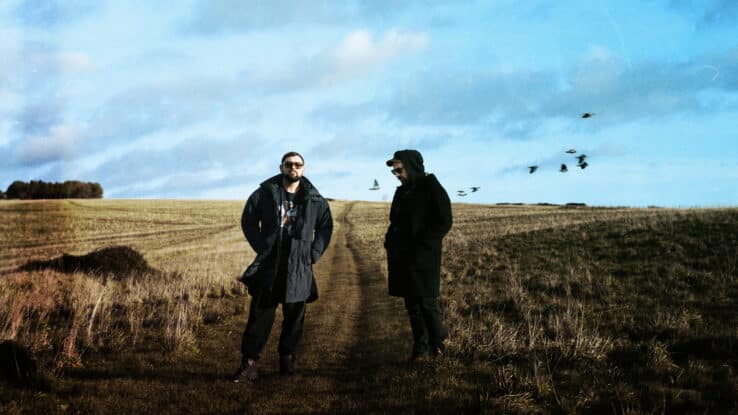
“Being a dad is more rock ‘n’ roll than being in a band!” laughs James Graham, lead vocalist of The Twilight Sad, with a cup of tea in hand. Our interview aside, a typical Tuesday in Graham’s life centres around the school run for his two sons – aged four and seven – and spending time outdoors, soaking in the beaches and hills that Northeast Scotland has to offer. “I’ve got quite a quiet life up here, to be honest,” he shrugs with a cheery smile.
Everyday life has not looked so simple for Graham, in the seven-year gap between their fifth album IT WON/T BE LIKE THIS ALL THE TIME and follow-up IT’S THE LONG GOODBYE, out now. The joy of fatherhood was crushed by his mother’s devastating battle with dementia, all while Graham’s own mental health plummeted to the point where the band had to drop out of South American tour dates with The Cure.
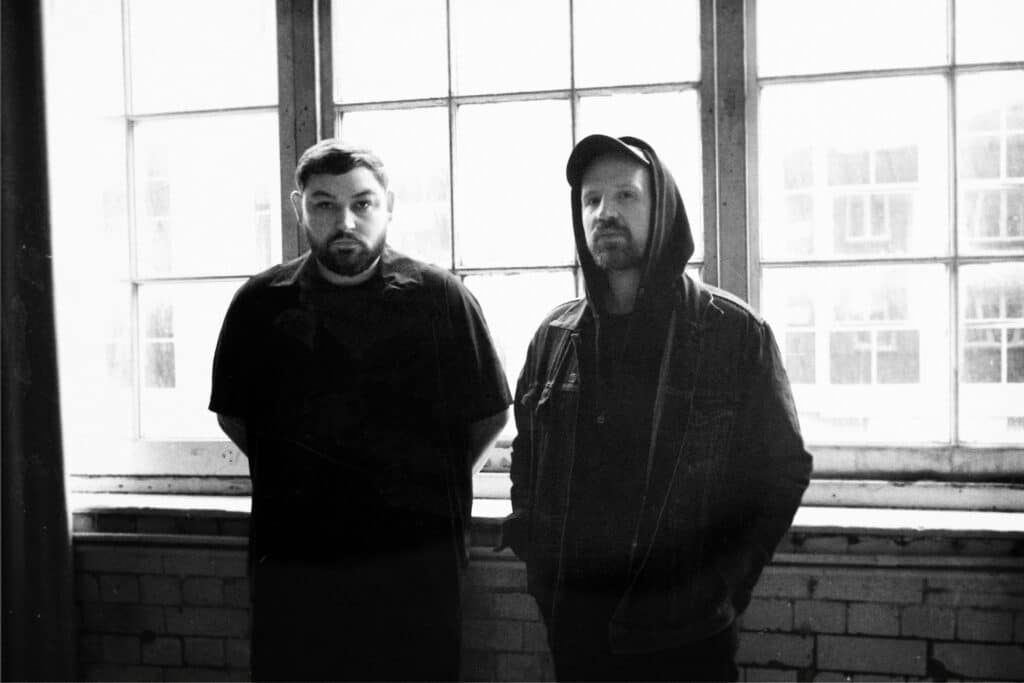
Fighting onward and seeking out hope in the darkness, IT’S THE LONG GOODBYE is a brutally honest snapshot of the whole period. Graham spoke to us about the journey to this point, his underrated bandmate Andy MacFarlane (guitar/producer) and how he’s been able to move forward with his life.

How does it feel to be returning to touring life as a father? Do your kids know much about the history of the band before they were born?
It’s a strange one, because it’s been seven years, and real life took over, to be honest. The main thing for me was being a father. I’ve brought two souls into a really fucked up world, so it’s my responsibility to make sure that they to navigate it happily… and shield them from the dark side of things. I suppose my music is a hard one to get your kids to want to [enjoy]: ‘Here’s my new song about death and mental health.’
It’s funny, there was an instance the other week when we were driving in the car, listening to BBC 6Music, and ‘WAITING FOR THE PHONE CALL’ came on, and I’ve never been in the car when my song has come on – ever. It was so special to have them in the background, cheering. But then the youngest was just walking about, singing,“Watch me die” and I’m just like, ‘Oh no….’ They understand it, but they don’t really. But it is exciting getting to this point where they’re going to start seeing me not just be the guy that collects them at the school gates. I’m saying, ‘I have to go to work now.’
You mentioned that your eldest’s eighth birthday coincides with your upcoming UK tour. What have you got planned for him?
He’s coming down to see us play at the Barrowlands in Glasgow. My grandfather was actually part of the company that helped lay the Barrowlands’ famous wooden spring-loaded floor. There’s a bit of a family connection there, and I’ve got pictures of the boys crawling along it. It’s a special gig anyway, that place, and then it’ll be even more special that it’s going to be his birthday. I’m sure he’ll be taken to the Lego store!
Where did you start with this record, even beginning to unpack what you’ve been through in the past seven years?
Andy sends me music, usually it’s three or four tracks at a time, and so there’s already a spark there from Andy [that] opens the door for me. This specific record, I wasn’t thinking about it too much. It was actually just happening to me, so it wasn’t like I had to go and find anything to write about or look for inspiration. It was right there in front of my face, and it was something that needed to come out of my head. To get it out was a cathartic thing for me, I never thought about it being a record, releasing the music, playing gigs or anything.
My mother was very ill and I was a father at the same time. This was a case of, ‘I need to write this down for my own sanity, and I need to sort these feelings out of my head and body.’ I also started to understand that singing was something that I really enjoyed. When shit hit the fan, [I realised singing] makes me feel better. So that’s what I was focused on, making sure I got everything out of myself. Seven years later, here we are.
It’s not an easy listen, but I don’t think it’s a difficult listen. Andy’s music is very euphoric and energetic. It is very much a ‘woe is me’ record, but at the same time, we both wanted to go, ‘This is the subject matter. This is what happened. There’s nothing you can change about that.’ We wanted to show a way of trying to fight it, and music, for me, was the fighting that helped these feelings inside me to scream, shout and sing. It’s a very human record that happened out of necessity.
The lyrics are incredibly stark on this record, especially in reference to your mother’s dementia. From the get-go, you’re asking “Why are you slowly leaving me?” on ‘GET AWAY FROM IT ALL’, and “I ask / What am I to you?” on ‘DESIGNED TO LOSE’.
My mother’s illness was so brutal, one of the most horrifying things that I’ve ever had to witness. This is really heavy, but I’ve never seen somebody die before, and I watched my mum die, so that forever changed me, especially when it’s somebody that I wouldn’t be here without. Those words were better to be out of my head instead of inside my head. I was watching my son growing and my mum fade. It was a really strange time to see the progression of a life and watching a life slip away – and not just a life, a person. That disease stripped everything from my mum.
At the same time, it grounds you so much. All this other bullshit that we think is important and stress about, it flew out the window, none of it mattered. It was like, ‘Here is life and here is death. What is in between? What’s the in-between for me? Am I going to feel this way for the rest of my life?’ My health went downhill. ‘Is this what life is?’ A lot of it was, ‘Get this out of you, so you can move on, get on with your life and try to be happy and positive.’ If this message helps one person get through this absolute horror show of a disease, even just mental health, then the job is done.
You speak about moving on to be happy and positive. In such a dark time, where did you get your optimism from?
Looking at my kids and seeing the excitement and life. To see the optimism and sheer hunger for life within two young people… I wanted to get through it, to live for them, more than anything. The way they look at the world, I wanted to look at the world that way again – which is not to say I want to live a second childhood, but I want my eyes to be open again. I was very closed off and scared of the world. Deep within me, there’s something that wants to get out again and show people that I can do it. That’s still a scary thought, because I’m still at the start, but at least there’s something there pushing me forward.
Where did Andy come into the picture? On an individual level, was it difficult to open up to him about what you were going through?
We’ve been friends since we were 12, and so he understood everything. His father passed away just before we put out the first record, so he had lost a parent and used music to help him through that tough period. I’d send him the stuff and I would send a wee caveat saying, ‘I’m sorry that you have to listen to this. I don’t know what this is doing to your head, having to listen to me say all these things.’ But to be honest, he told me he just concentrated on the melodies! He was like, ‘I knew what you were saying, you know? I didn’t need to hear it within the lyrics, I knew how you were feeling.’ He let me tell the stories I needed to tell and gave me a lot of freedom to throw everything at the wall and see what sticks.
Because Andy lives in London and you wrote much of the record apart from one another, did it make the whole period feel even more isolating?
I like to be on my own, because it gives me the opportunity to make mistakes and not be embarrassed about anything. It really means that you can throw everything at it and not be afraid… the vulnerability of, ‘My ears are the only ears hearing this at this present moment, until I am ready to let somebody else hear this.’ I think Andy really enjoys that too. We’ve never really been the guys that would pull out an acoustic guitar at a party and start playing. We like to hide in the corner and do our stuff until we’re ready to let everybody – even each other – hear what we’ve been doing. I’m quite a loner in that way.
It took a long time to make the record, as well. There were big pauses in between, for obvious reasons, [plus] giving Andy the time and the space to make mistakes and make what he wants. I’m doing a lot of interviews and talking about myself, but I really want Andy to be the star of this record, because I’m blown away with the work that he’s done. He project managed it, produced it and pulled me through the whole process. This record would be nowhere near what it is without the dedication and belief from Andy, so I really hope he gets the credit he deserves.
It feels like there’s a lot of euphoria pouring out of the record’s sweeping synths, especially in songs like ‘WAITING FOR THE PHONE CALL’ and ‘DEAD FLOWERS’ – what did you want those sounds to transmit from the inside?
Somebody used the word ‘symphonies’ the other day. ‘GET AWAY FROM IT ALL’ starts right away. If you took away the big noise of guitars and gave it to an orchestra, that would sound phenomenal. I remember working with Max Richter on our first ever EP, and he said to Andy, ‘This is like Mozart.’ 20 years on, I think about what a compliment that is, knowing what Max has done. I can hear it within what Andy’s doing.

The album closer ‘TV PEOPLE STILL THROWING TVS AT PEOPLE’ erupts into a wall of noise as you sing “Is it OK to feel this way? / I don’t wanna feel this way”. Were those the words you needed to draw a line under this record and move forward with your life?
We always knew that would be the last song on the record. It was a question that I asked myself constantly and I felt during my mother’s illness as well, with how debilitating it was. We lost her as a person long before she actually passed away. It’s a cry for help, I am asking if it’s OK to feel this way. There’s times of great clarity that I do say “It is OK to feel this way”, and then generally, I don’t want to feel that way as well.
I felt that there were questions without answers, and the answers were simple. They might have not been the answers you wanted, but it was just communication. Communication in so many walks of life is lost, even though we have these blooming devices. People are pushing down important conversations with each other and not actually having them, we’ve all got a front up. Just ask somebody the questions that I’m asking. Asking yourself those questions means that you want to get better.
How are you doing at the moment, gearing up to launch the record, tour the UK and support The Cure again this summer?
I’m doing OK. I am using all the tools that I’ve gained to fight any feelings of anxiety, fear and things that I can start to feel bubbling away. I know how to combat those feelings now, whereas before, I had no idea how to control my emotions. But I’m genuinely nervous about putting this record out after seven years. Of course I’m proud of it, but being as vulnerable as I’ve been, putting that out into the world is both exciting and terrifying. I’m building up the levels of strength to be able to get back out there… but I would be lying to you if I said that I’m not nervous.
The Twilight Sad will tour the UK from 29 April to 28 June. Find tickets here