Festivals


List
The biggest festivals in the UK
From temporary cities to farmyard takeovers, these are Britain’s biggest music festivals measured by actual ground size
Size matters. Especially when it comes to festivals. As parks, farms, stately homes, forests, beaches and fields across the UK start gearing up for the 2026 summer season, we rank the rank the country’s biggest festivals by pure acreage…
1. Boomtown: ~1,250 acres
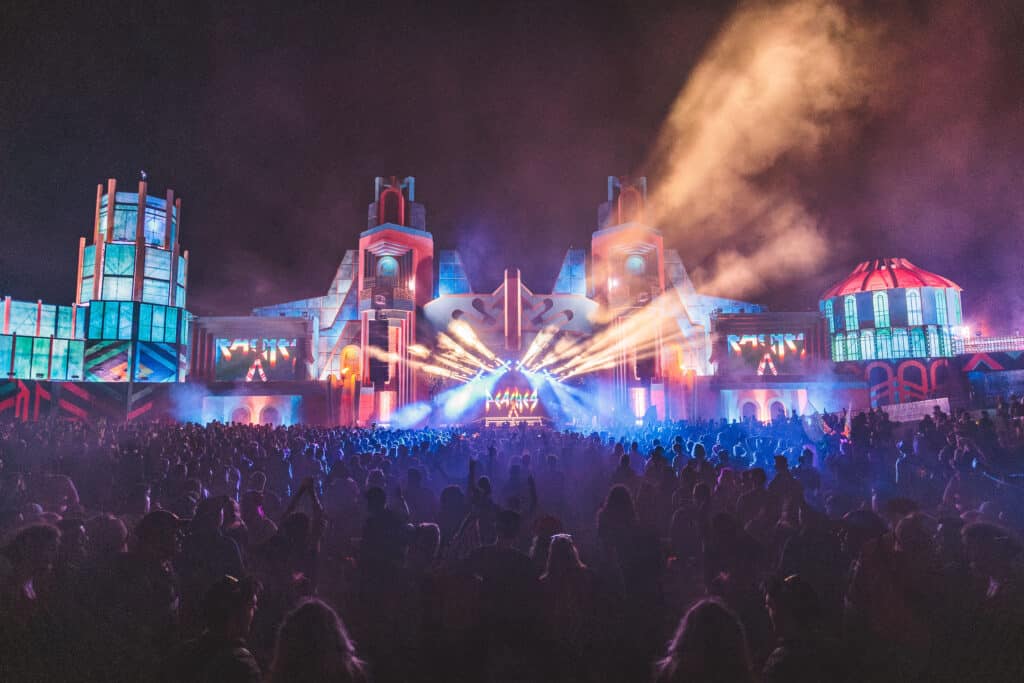
Boomtown uses its enormous footprint to build what amounts to a pop-up country. In fact, the whole of Monaco is only four times bigger – with the festival site covering an area roughly the same size as Disneyland (or of Hoboken, New Jersey…) The music is almost secondary to the experience: roaming actors, interlocking storylines and genre-hopping stages tucked into fake neighbourhoods. It’s less a festival than a live-action concept album, and unapologetically so.
2. Glastonbury Festival: ~900–1,000 acres
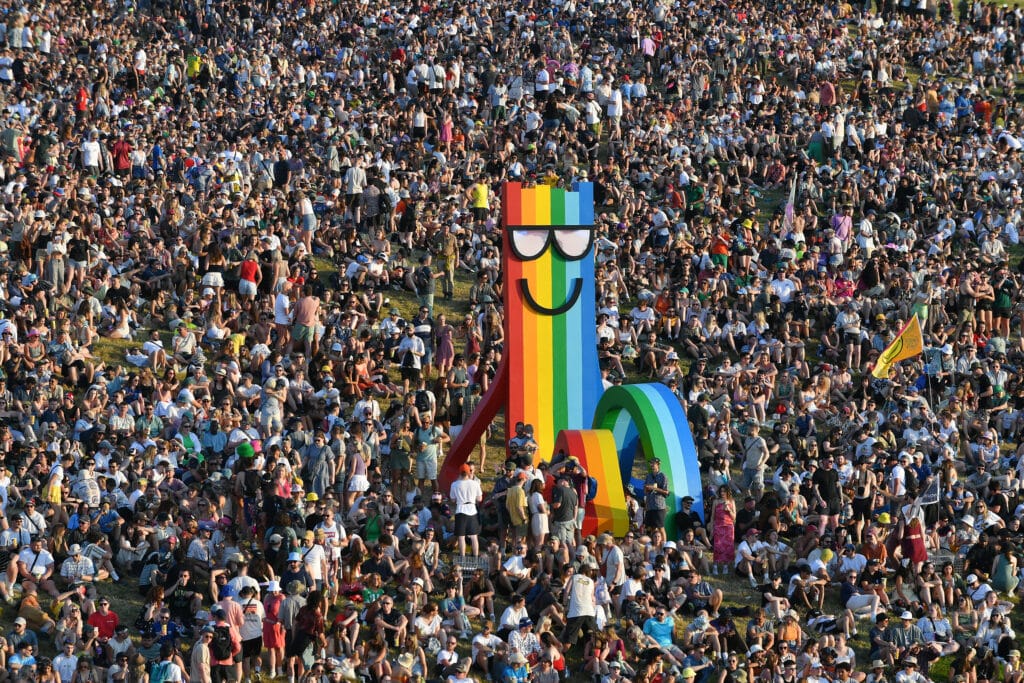
Glastonbury’s size is its superpower. Hosting 200,000 people every year, it’s the biggest festival in the UK by capacity – although that falls quite a long way short of the world’s largest (Rock In Rio welcoming 700,000, Vienna’s Donauinselfest splitting 3.3m over three days, and Rio’s New Year’s Eve party squashing 3.5m people onto Copacabana Beach). It’s a place where you can definitely get your steps in…
3. Download Festival: ~900 acres
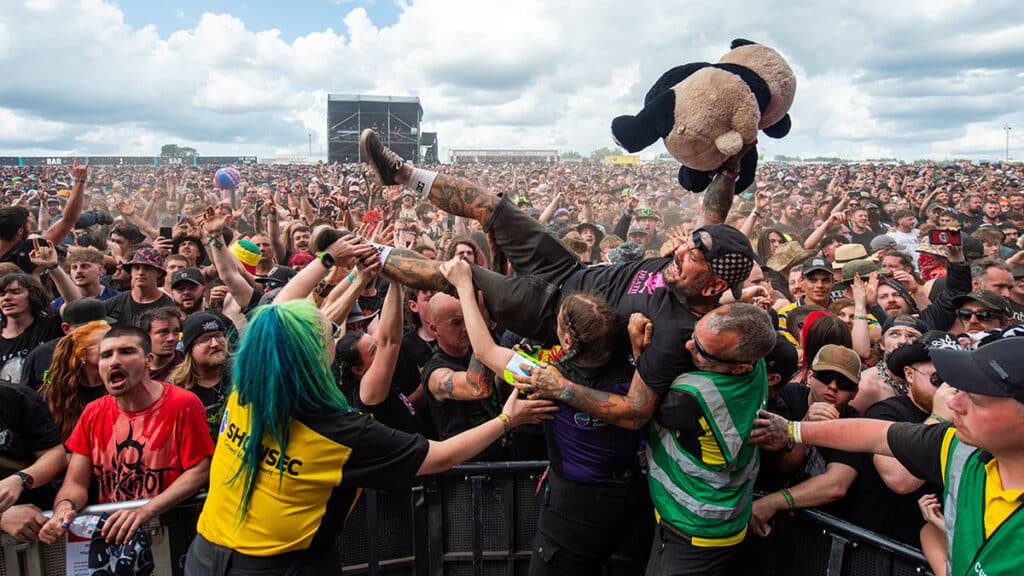
Download sprawls across Donington Park with the blunt confidence of a festival that knows exactly what it is. The land accommodates towering stages, colossal crowds and campsites that feel like suburbs. The scale serves the genre: loud, physical and big for a reason.
4. Latitude Festival: ~800 acres
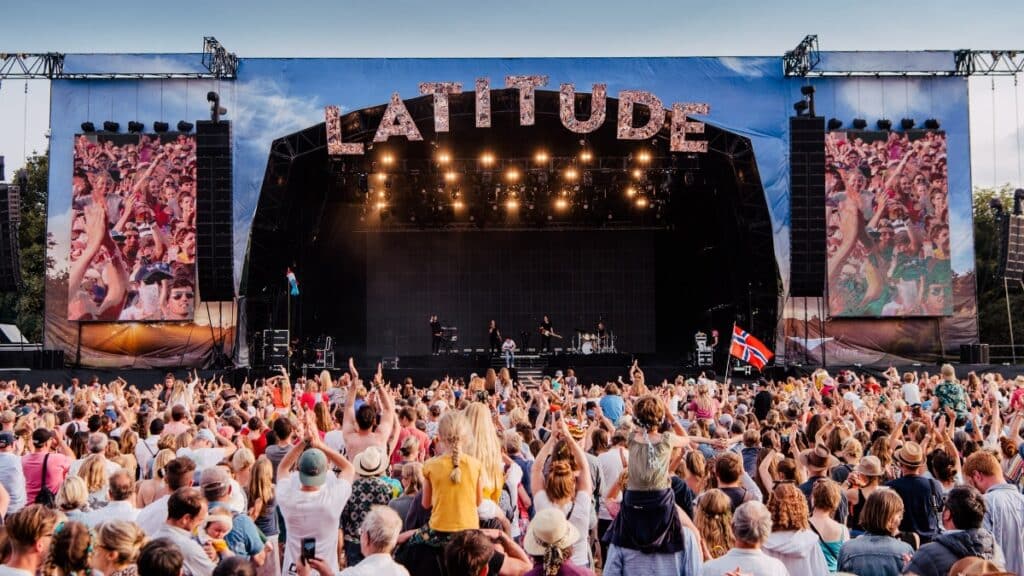
Latitude technically sits within the much larger estate of Henham Park, and it would easily top this list if it used it all. Smartly though, the festival manages to pack a huge multi-arts programme into a smaller corner, without turning the weekend into a slog. Forests, lakes and measured distances give Latitude the rare ability to feel expansive and contained at the same time.
5. Reading & Leeds Festival: ~200 acres (each)
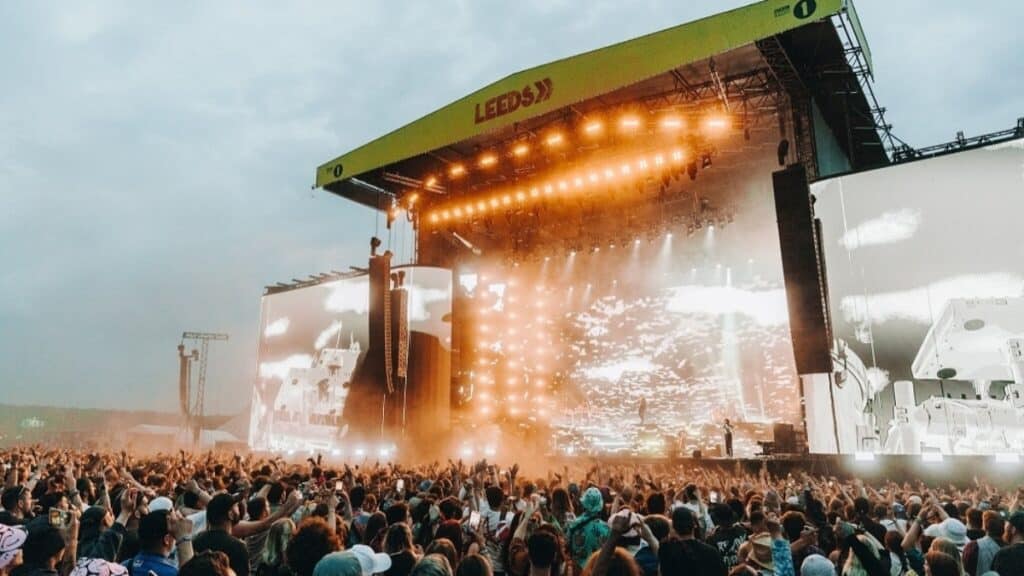
Two festivals, one blueprint. Reading and Leeds rely on sites big enough to maintain their towering reputation as the two-headed monster of modern music festivals. The history is legendary; line-up expectations are smashed every year; and the sprawling acreage of both sites becomes an annual bank holiday pilgrimage for anyone, across the North and the South, who’s ready to take on the rite-of-passage.
6. All Points East: ~200 acres
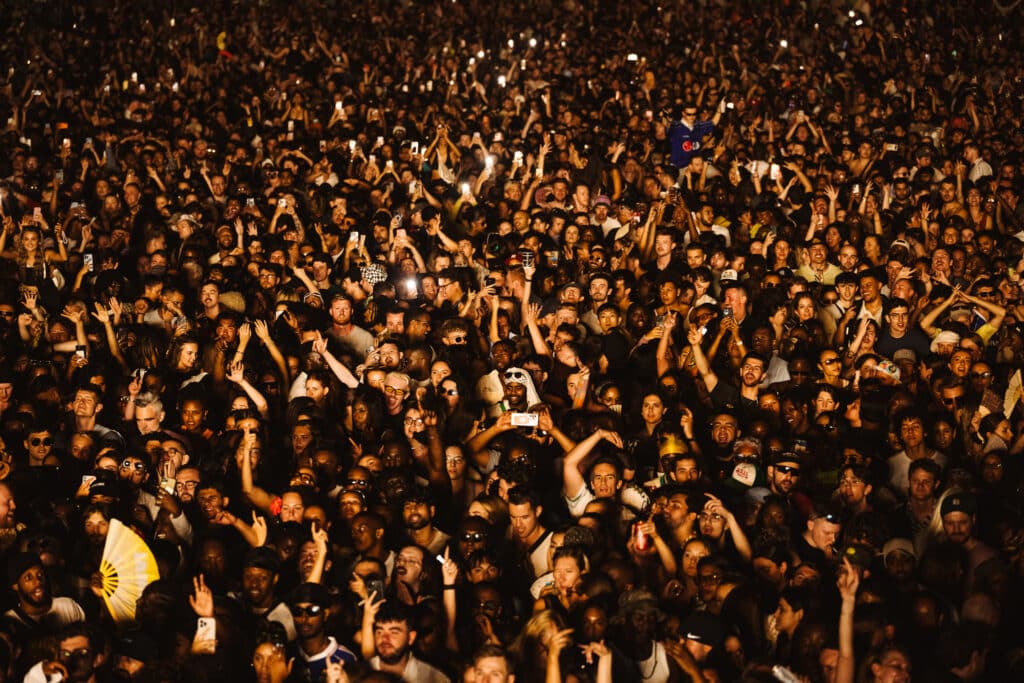
Who says you can’t fit one of the UK’s biggest festivals in the middle of London? Victoria Park offers enough space for major stages while remaining unmistakably urban. The result is a festival that feels like a controlled takeover rather than a full-scale occupation. When you’re inside, you wouldn’t know you’re not in a field somewhere. When you’re outside, you can get the tube home.
7. Isle of Wight Festival: ~180 acres
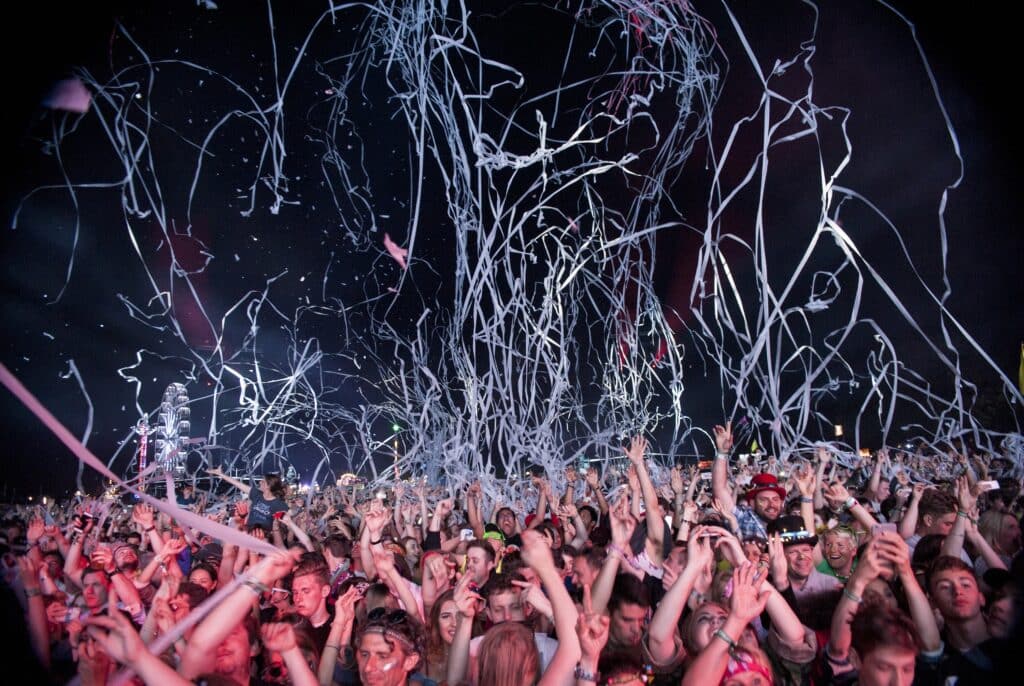
The population of the Isle of Wight is around 141,000, and every year another 60,000 fans get boated in for the festival. Squeezing another almost half an island full of people into 180 acres is ambitious, but Seaclose Park site strikes a comfortable balance – large enough to host legacy acts without feeling like it’s taking over the whole landmass. The space encourages wandering, but never demands it, lending the festival a laid-back sensibility.
8. Wireless Festival: ~110 acres

It might be the smallest site on this list, but Wireless is still bigger than all the others. Taking over London’s Finsbury Park every July, its hefty footprint produces a compressed, high-impact experience that welcomes around 50,000 fans through the door every day.